
Top 20 Oldest Zoo in the World Still Operating
The top 20 oldest zoo in the world represent more than just places to see animals. They reflect centuries of scientific curiosity, conservation development, and cultural history. Many of these zoos began as royal menageries before evolving into public institutions dedicated to education and wildlife preservation.
Moreover, several of these historic zoos continue to operate today, adapting modern conservation principles while preserving their historical identity. This article explores the oldest continuously operating zoos in the world, based on their founding year, along with important background information.
The World’s Oldest Zoo: Tiergarten Schönbrunn
Tiergarten Schönbrunn, located in Vienna, Austria, holds the title as the oldest zoo in the world still in operation. Founded in 1752, the zoo initially served as a royal menagerie for the Habsburg monarchy.
Rekomendasi Produk Untuk Anda
However, in 1779, the zoo opened its gates to the public, marking a major shift toward public education and scientific study. Today, Tiergarten Schönbrunn combines UNESCO World Heritage architecture with modern animal welfare standards.
As a result, it remains one of the most visited and respected zoos globally.
Top 20 Oldest Zoo in the World by Founding Year
The table below lists the top 20 oldest zoo in the world that have operated continuously since their establishment.
| Founding Year | Zoo Name | Location |
|---|---|---|
| 1752 | Tiergarten Schönbrunn | Vienna, Austria |
| 1775 | Madrid Zoo Aquarium | Madrid, Spain |
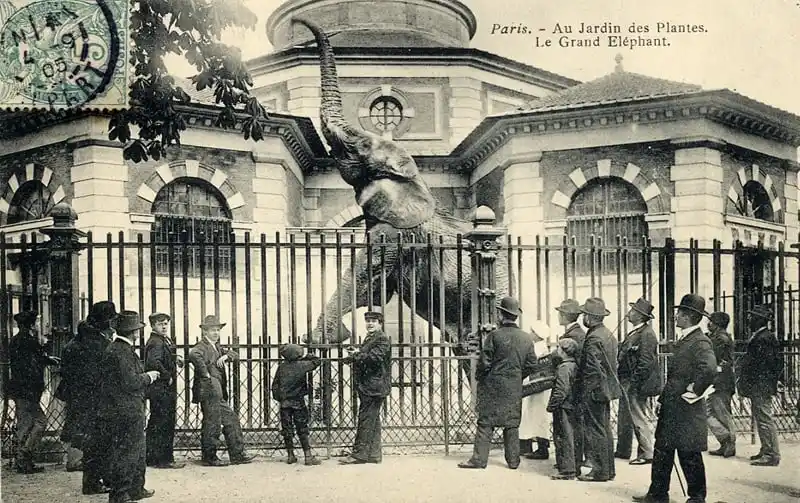
| 1793 | Ménagerie du Jardin des Plantes | Paris, France |
| 1806 | Kazan Zoo | Kazan, Russia |
| 1828 | London Zoo | London, United Kingdom |
| 1831 | Dublin Zoo | Dublin, Ireland |
| 1835 | Bristol Zoo Gardens (historical site) | Bristol, United Kingdom |
| 1838 | Natura Artis Magistra | Amsterdam, Netherlands |
| 1843 | Antwerp Zoo | Antwerp, Belgium |
| 1844 | Zoologischer Garten Berlin | Berlin, Germany |
| 1847 | Downs’ Zoological Gardens | Nova Scotia, Canada |
| 1857 | Diergaarde Blijdorp | Rotterdam, Netherlands |
| 1858 | Frankfurt Zoo | Frankfurt, Germany |
| 1858 | Zoo de Lyon | Lyon, France |
| 1859 | Philadelphia Zoo | Philadelphia, United States |
| 1859 | Copenhagen Zoo | Frederiksberg, Denmark |
| 1860 | Melbourne Zoo | Melbourne, Australia |
| 1860 | Cologne Zoo | Cologne, Germany |
| 1861 | Dresden Zoo | Dresden, Germany |
| 1862 | Adelaide Zoo | Adelaide, Australia |
Evolution of Early Zoos
Early zoos primarily functioned as private collections owned by royalty or wealthy individuals. Animals symbolized power, prestige, and global reach. However, during the late 18th and 19th centuries, social attitudes began to change.
Consequently, many institutions transitioned into public zoological gardens. They focused more on scientific research, public education, and species classification rather than mere exhibition.
This transition explains why many names on the list still operate today.
Notable Historic Zoos and Their Significance
London Zoo (1828)
London Zoo is one of the most influential zoos in modern zoology. It introduced scientific animal classification and contributed significantly to zoological research.
Moreover, it played a major role in shaping zoo management standards worldwide.
Ménagerie du Jardin des Plantes (1793)
Located in Paris, this zoo opened during the French Revolution. Unlike royal menageries, it was designed from the beginning as a public institution.
As a result, it became a symbol of scientific openness and education.
Philadelphia Zoo (1859)
Philadelphia Zoo holds the distinction of being the first chartered zoo in the United States. Although it opened to the public later, its legal foundation dates back to 1859.
Today, it remains a leader in animal habitat innovation.
Conservation and Modern Zoo Practices
Although these institutions are historically significant, they continue to evolve. Modern zoos prioritize conservation, breeding programs, and habitat simulation.
Additionally, many of the top 20 oldest zoo in the world actively participate in global wildlife protection initiatives. These efforts include endangered species breeding and environmental education programs.
Therefore, their relevance extends far beyond tourism.
Why Historic Zoos Still Matter Today
Historic zoos serve as living records of humanity’s changing relationship with wildlife. They show how public perception shifted from entertainment to conservation and responsibility.
Furthermore, their long operational history provides valuable data on animal care, breeding success, and public engagement.
As a result, these zoos remain essential institutions in global conservation networks.
Final Thoughts
The top 20 oldest zoo in the world highlight centuries of evolution in science, culture, and conservation. From royal menageries to globally respected institutions, these zoos continue to educate millions of visitors every year.
If you are interested in history, wildlife, or global culture, exploring the stories behind these zoos offers valuable insight into how humans and animals coexist today.
For more informative articles, global history insights, and updated features, make sure to read the latest content at:
Stay curious and keep exploring the world through knowledge.

Penggiat literasi digital, WordPress dan Blogger
website: alber.id , andesko.com , upbussines.com , pituluik.com